

People-Pleasing in Immigrant Families: Understanding the Roots of Responsibility and Guilt
Many people who grow up in immigrant families carry a deep sense of responsibility toward their parents, siblings, and communities.
This sense of responsibility is often rooted in love, gratitude, and an awareness of the sacrifices that made new opportunities possible. Migration frequently involves leaving behind familiar languages, communities, and systems of support in order to build safety or possibility elsewhere. For many second-generation adults, these histories are never far from awareness.
At the same time, this sense of responsibility can sometimes create emotional patterns that feel difficult to navigate later in life. One experience that many second-generation adults describe in therapy is people-pleasing.
Where People-Pleasing Often Begins
People-pleasing is often misunderstood as simply wanting others to like you.
In reality, it often develops as a strategy for maintaining connection and stability within important relationships. In many immigrant families, children grow up aware of the challenges their parents faced during migration. Stories of resilience, sacrifice, and survival can become an important part of the family narrative. For some children, this awareness creates an unspoken sense of responsibility: to succeed, to avoid causing additional hardship, or to ensure that the sacrifices made by previous generations were worthwhile.
Over time, these internal messages can shape how individuals approach conflict, boundaries, and self-expression.
What may appear later as people-pleasing is often rooted in relational care and a desire to maintain harmony within the family system.
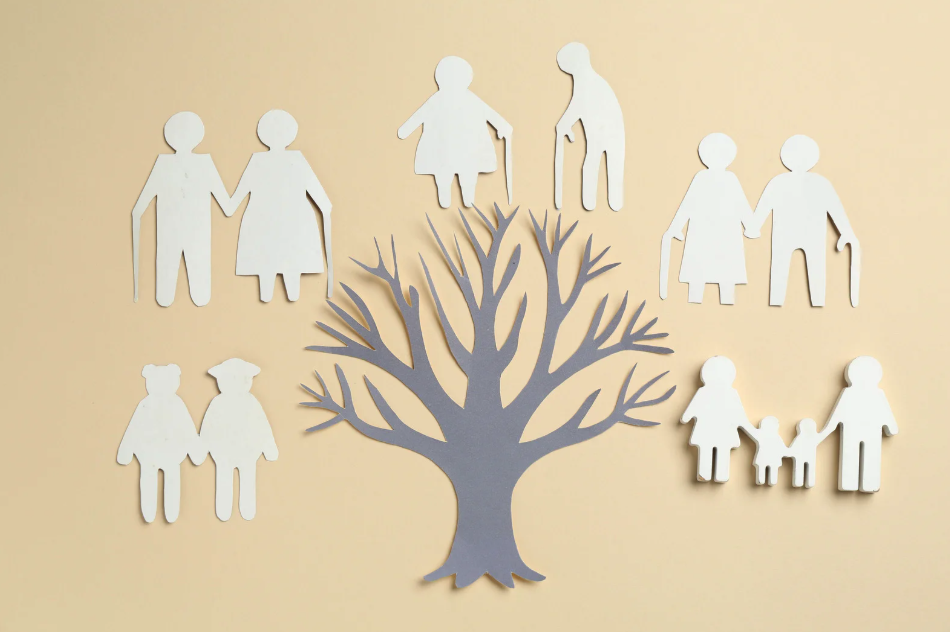
The Weight of Responsibility
Second-generation adults often find themselves navigating multiple sets of expectations. Within the family, there may be cultural values around respect for elders, collective wellbeing, and family loyalty. Outside the home, dominant cultural narratives may emphasize individual independence and self-determination.
Moving between these worlds can create internal tension. Some people notice that expressing disagreement with parents or elders feels uncomfortable or even disloyal. Others experience guilt when prioritizing their own needs, career choices, or relationships. These experiences are not personal failures. They often reflect the complex realities of living between cultural contexts while carrying the emotional history of migration and adaptation.
When viewed through a broader lens, many people-pleasing patterns can be understood as responses to relational, cultural, and systemic pressures rather than individual shortcomings.

Reframing People-Pleasing with Compassion
When people-pleasing is explored through a relational and cultural lens, it often begins to make sense.
It may have been a way of protecting family harmony, navigating intergenerational expectations, or responding to environments where conflict or visibility felt risky. For many families, migration required tremendous adaptability and resilience. Children growing up in these environments often developed strong relational awareness and sensitivity to the needs of others. These qualities can be meaningful strengths. At the same time, when responsibility becomes overwhelming or one-sided, it can make it difficult to recognize one's own needs and boundaries. Shifting this pattern often begins with curiosity rather than criticism.
Instead of asking, “Why am I like this?”, a more compassionate question might be:
What relationships, histories, or environments shaped this way of responding?
Exploring These Patterns in Therapy
Therapy can offer a space to explore these experiences with greater context and understanding.
Together we can reflect on how family expectations, migration histories, cultural identity, and social environments may have shaped the ways you relate to others and to yourself. This process is not about rejecting your family or cultural heritage. Rather, it can be about developing a relationship with those influences that feels more conscious, balanced, and aligned with your own values.
For many second-generation adults, this work involves learning how to honour family history while also creating space for their own voice.
Beginning the Conversation
At Soul Seat Psychotherapy, I work with many adults navigating the emotional complexities of immigrant family dynamics, identity, and people-pleasing patterns.
If these reflections resonate with your experience, you are welcome to book a free 20-minute consultation to explore whether therapy might feel supportive.
You can also read more reflections on identity, relationships, and emotional healing in the Soul Seat blog.
Understanding our patterns often begins with recognizing that they developed within relationships, histories, and systems that were never meant to be carried alone.
