

The Emotional Experience of Second-Generation Adults in the Diaspora
Many second-generation adults grow up navigating more than one cultural world.
At home there may be traditions, languages, and values shaped by migration. Outside the home there may be different expectations about independence, identity, and success.
Over time, moving between these spaces often becomes instinctive.
This ability to move between cultures can be a profound strength. It often cultivates empathy, adaptability, and an awareness of different perspectives. Yet living between cultures can also bring emotional tensions that are difficult to name. For many people, the experience is layered with quiet questions about belonging, identity, and responsibility. Many second-generation adults find themselves wondering: Where do I truly belong? Which parts of myself feel authentic, and which parts have been shaped by adaptation? How do I honour my family’s sacrifices while also building a life that feels true to who I am? These questions are not simply individual struggles. They are part of a broader emotional landscape shaped by diaspora, migration, and intergenerational histories.
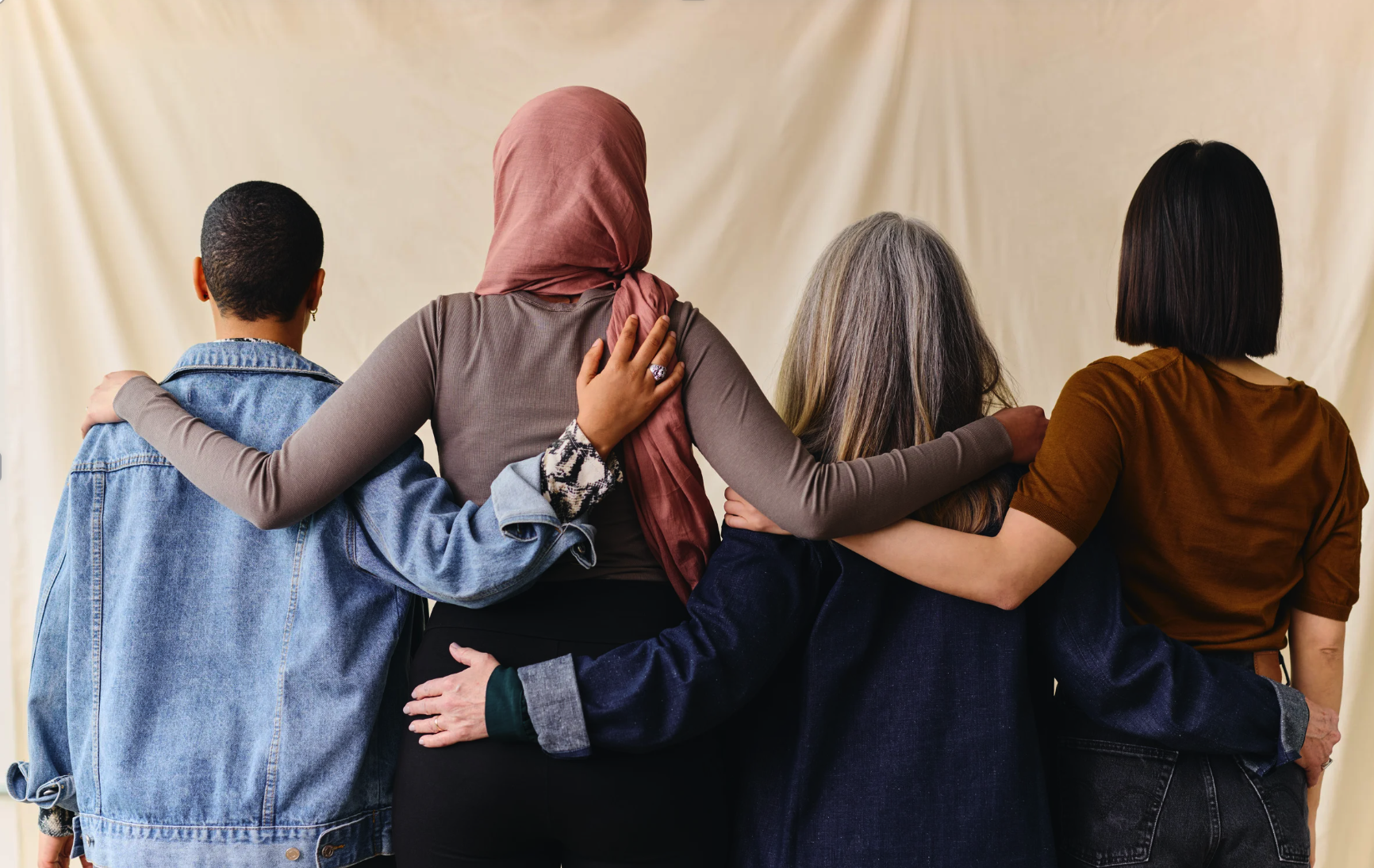
Living Within the Diaspora
For many families, migration is rooted in survival, opportunity, and hope for future generations. Parents or grandparents may have left behind familiar landscapes, languages, and communities in order to create safety or possibility elsewhere. Second-generation adults often grow up aware of this history in ways that shape how they understand themselves.
That awareness can bring pride, gratitude, and resilience. At the same time, it can create a quiet pressure to succeed or to represent the family well. Some people feel responsible for ensuring that their family’s sacrifices were meaningful.
Over time, this sense of responsibility can show up in subtle ways. Some individuals develop perfectionistic tendencies. Others become highly sensitive to criticism or judgment. Many people notice patterns of imposter syndrome, people-pleasing, or anxiety around making mistakes.
When these patterns are explored in therapy, they often begin to make sense within a broader context. Rather than being personal flaws, they are responses shaped by family expectations, migration experiences, and the emotional realities of living between cultural worlds.
Understanding this context can shift the internal dialogue from “What is wrong with me?” to a more compassionate question: “What might I be carrying that began before me?”
The Invisible Emotional Labour of Second-Generation Adults
Many second-generation adults grow up acting as bridges between cultures.
They may translate languages, explain cultural expectations, or help family members navigate institutions such as schools, healthcare systems, or workplaces. These roles are rarely formally recognized, yet they often carry emotional weight.
Being a cultural bridge can foster empathy, maturity, and adaptability. At the same time, it can mean that certain emotional needs are quietly set aside in order to maintain stability within the family.
Some people notice that they learned early on how to read the emotional atmosphere of a room. Others feel responsible for managing tension or protecting family members from stress. Over time, these patterns can shape how people move through relationships and professional spaces. Expressing personal needs may feel difficult. Setting boundaries can feel uncomfortable or even disloyal. Trusting one’s own decisions may require reassurance from others.
When viewed through an anti-oppressive lens, these patterns are not personal shortcomings. They are adaptive responses shaped by family roles, migration histories, and the broader social realities that many diaspora communities navigate.
Identity and the Question of Belonging
Living within the diaspora often creates a layered relationship with identity.
Within their family or cultural community, some second-generation adults may feel influenced by the society they grew up in. Outside the home, they may feel deeply connected to traditions, languages, or histories that others do not fully understand.
This experience can sometimes create a sense of disorientation. Some people describe feeling “too much” of one culture and “not enough” of another. Others feel as though they exist between identities rather than fully within one.
Yet identity within the diaspora rarely requires choosing one culture over another. More often it involves learning how to hold multiple influences at once. Over time, identity can become something expansive rather than divided.
Intergenerational Stories and Collective Memory
Migration carries emotional histories that often move across generations.
Families may carry memories of displacement, political instability, economic hardship, or the loss of familiar communities. Even when these experiences are not openly discussed, their emotional echoes can shape family expectations, communication patterns, and beliefs about security and success.
Second-generation adults sometimes inherit both the resilience and the unresolved grief connected to these histories. When people begin to explore these intergenerational narratives, their emotional patterns often start to make more sense.
Recognizing these connections can cultivate compassion not only toward oneself but also toward previous generations who navigated extraordinary transitions.
Within many cultures, healing has always been collective. Stories, rituals, and shared traditions have long served as ways of processing grief, resilience, and belonging across generations.
Reflective Journal Prompts
If you grew up between cultures, reflection can offer a gentle way to explore your own story and the experiences that shaped you. Many second-generation adults carry questions about identity, belonging, and responsibility that were never fully spoken aloud growing up.
You might consider sitting with a few questions such as: What messages about success, responsibility, or identity were present in my family? When do I feel most connected to my cultural identity, and when do I feel conflicted about it? What parts of my family’s migration story do I know, and what parts might still be unknown?
You may also notice moments when you adapt parts of yourself in order to maintain belonging. In what situations do you find yourself shrinking your voice, changing how you express yourself, or feeling pressure to represent your family in a certain way? At the same time, it can be meaningful to reflect on the strengths that emerged through your family’s history — resilience, adaptability, cultural awareness, or a deep sense of responsibility toward others.
These reflections are not meant to create blame. Instead, they can help illuminate the broader contexts that shaped your experiences and the ways migration and family history continue to live within you.
Gentle Practices for Ancestral and Intergenerational Healing
For many people within diaspora communities, healing is not only individual. It is relational and intergenerational.
One place to begin is by learning more about your family’s migration story. Conversations with elders or relatives can sometimes reveal histories of resilience and adaptation that were never fully shared. Even small fragments of these stories can deepen our understanding of where we come from.
Another practice involves reconnecting with cultural traditions that feel grounding. Food, music, language, storytelling, and community rituals often carry emotional memory across generations. Engaging with these traditions can nurture a sense of belonging that bridges past and present.
Intergenerational healing can also involve compassion. Previous generations often made decisions within circumstances shaped by survival, uncertainty, and limited choices. Recognizing this context can soften the weight of inherited expectations while still leaving room to acknowledge their impact on our own lives.
Healing within the diaspora rarely requires rejecting cultural heritage. More often it involves developing a relationship with that heritage that feels intentional, reflective, and authentic.
Reclaiming Your Own Voice
For many second-generation adults, identity is not a destination but an evolving relationship with culture, family, and self. This process can involve questioning inherited expectations, redefining boundaries, and reconnecting with parts of yourself that may have been set aside in order to adapt to different environments.
The goal is not perfection. The goal is integration — allowing the many parts of your story to exist together with greater clarity and self-compassion. Integration makes space for both honouring the story that came before you and creating room for your own voice, choices, and path forward.
Exploring These Experiences in Therapy
If you are a second-generation adult navigating questions about identity, belonging, family expectations, or cultural pressures, therapy can offer a supportive space to explore these experiences.
Together we can reflect on how migration stories, intergenerational dynamics, and cultural identity may be shaping your emotional world today. Therapy can help you reconnect with your own needs, boundaries, and sense of self while honouring the complexity of your background.
In my psychotherapy practice in Burlington, Ontario, I often work with second-generation adults who carry these layered questions about identity, belonging, and responsibility.
If you are curious about exploring these themes further, you are welcome to book a free 20-minute consultation to see whether working together feels like the right fit.
Sometimes healing begins simply by having a space where your story can be spoken and understood.
